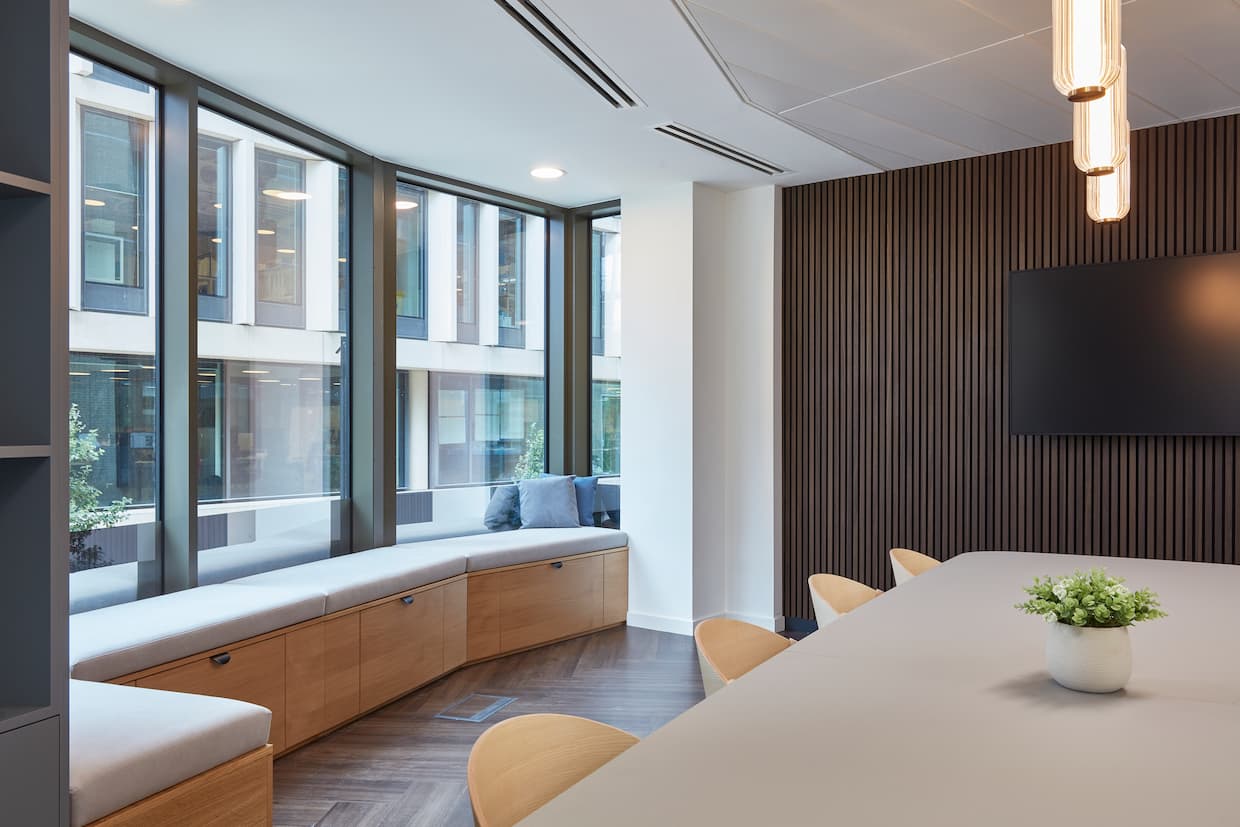
The modern office has evolved considerably from traditional layouts dominated by rows of identical desks and chairs. Today’s workplaces increasingly combine individual workstations with collaborative areas, informal meeting spaces and comfortable breakout zones that encourage employees to interact, share ideas and work together.
As businesses embrace more flexible working practices, the choice of office furniture has become an important part of creating environments that support different activities throughout the working day. Standard furniture can meet many of these requirements, but it may not always provide the right dimensions, configuration or design to make the best use of a particular space.
Bespoke office seating offers an alternative, allowing businesses to introduce furniture tailored to their workplace, employees and brand identity. From integrated banquette seating and modular arrangements to custom-designed breakout furniture, these solutions can transform underused areas into practical, welcoming spaces.
Through considered commercial office interior design and furniture selection, bespoke seating can become an integral part of a workplace that encourages collaboration while maintaining comfort, flexibility and visual appeal.
Bespoke office furniture refers to pieces designed or adapted to meet the specific requirements of a business and its workplace. Unlike standard furniture, which is manufactured in predetermined sizes and configurations, bespoke solutions can be tailored to suit available space, functional requirements and the wider interior design scheme.
For collaborative workplaces, this might include made-to-measure upholstered seating, integrated benches, curved seating arrangements or modular furniture designed around the dimensions of a particular area.
Bespoke furniture can also incorporate features such as integrated power supplies, storage, acoustic screens and complementary tables, helping to create practical environments that support everyday activities.
Not every office requires completely custom-made furniture. In many cases, combining standard commercial furniture with carefully selected bespoke office furniture provides the most effective balance between design flexibility, functionality and budget.
Collaborative areas have different requirements from traditional desk-based workstations. Employees may use these spaces for informal discussions, project meetings, brainstorming sessions or short periods of individual work.
The seating therefore needs to support interaction without restricting movement or making the space difficult to use.
Bespoke seating allows designers to consider the relationship between furniture, circulation routes and the activities taking place within the area.
For example, curved seating can encourage face-to-face interaction, while integrated banquettes can create comfortable meeting settings along walls or within otherwise underused spaces.
Modular furniture offers additional flexibility, allowing seating arrangements to be adapted for different group sizes and activities.
By designing furniture around the way employees work, businesses can create collaborative environments that feel purposeful rather than simply filling available space with additional chairs and sofas.
The right seating can influence how employees experience and use their workplace. Comfort, layout, flexibility and visual appeal all contribute to creating environments where people can work effectively and interact with colleagues.
Bespoke solutions offer opportunities to address these requirements while supporting the wider design and operational objectives of the business.
Comfort should be a primary consideration when selecting any type of office seating, whether it is a traditional task chair or a bespoke piece designed for a collaborative area.
For desk-based employees, ergonomic workstations with appropriate seating, desk heights and positioning remain important for maintaining comfortable working postures.
Bespoke collaborative seating has different requirements. Seat depth, backrest angle, cushioning, upholstery and overall dimensions should be appropriate for the activities and duration of use.
For example, a banquette designed for informal meetings may require a more supportive upright position than a sofa intended for a relaxed breakout area.
The height and positioning of accompanying tables should also be considered, particularly where employees may use laptops or participate in longer discussions.
A well-designed seating arrangement should encourage comfortable interaction without compromising the practical requirements of the space.
Workplace seating forms part of a wider approach to employee health and wellbeing.
Prolonged sitting, unsuitable furniture and poorly arranged workstations can contribute to physical discomfort and musculoskeletal problems. The Health and Safety Executive continues to identify work-related musculoskeletal disorders as a significant occupational health concern in the UK.
However, improving wellbeing involves more than selecting comfortable chairs.
Employees benefit from access to different working environments that allow them to change position, move around the office and choose settings appropriate to their activities.
Bespoke seating can help create these environments by introducing comfortable spaces for informal meetings, social interaction and time away from conventional workstations.
When combined with ergonomic task furniture, appropriate lighting, good acoustics and thoughtful space planning, these areas contribute to a more supportive workplace experience.
Office furniture plays an important role in communicating a company’s identity, particularly in reception areas, meeting spaces and shared environments.
Bespoke seating allows businesses to incorporate their preferred colours, materials, shapes and finishes into furniture that complements the wider interior design.
This can involve selecting upholstery that reflects corporate colours, introducing distinctive architectural forms or creating seating that responds to the character of the building.
The result is a more cohesive workplace where furniture contributes to the overall design rather than appearing as a collection of unrelated products.
Customisation can also help create memorable spaces for clients and visitors while giving employees an environment that feels recognisably connected to their organisation.
Our work with global food manufacturer McCormick & Co demonstrates how furniture and interior design can come together to create a distinctive workplace that reflects a company’s personality.
The office design incorporates vibrant citrus-inspired colours, with shades of lemon, orange and lime bringing energy to key areas of the workplace.
In the boardroom, striking scarlet chairs provide a strong visual statement, reinforcing the bold design approach while creating a professional setting for meetings and discussions.
Communal areas feature colourful, comfortable seating that encourages employees to interact in a more relaxed environment.
These collaborative settings are complemented by soundproof acoustic booths, providing quieter spaces for private conversations and focused activities.
The combination of expressive furniture, varied working environments and a cohesive colour palette creates a workplace that reflects McCormick & Co’s brand identity while supporting the practical needs of its employees.
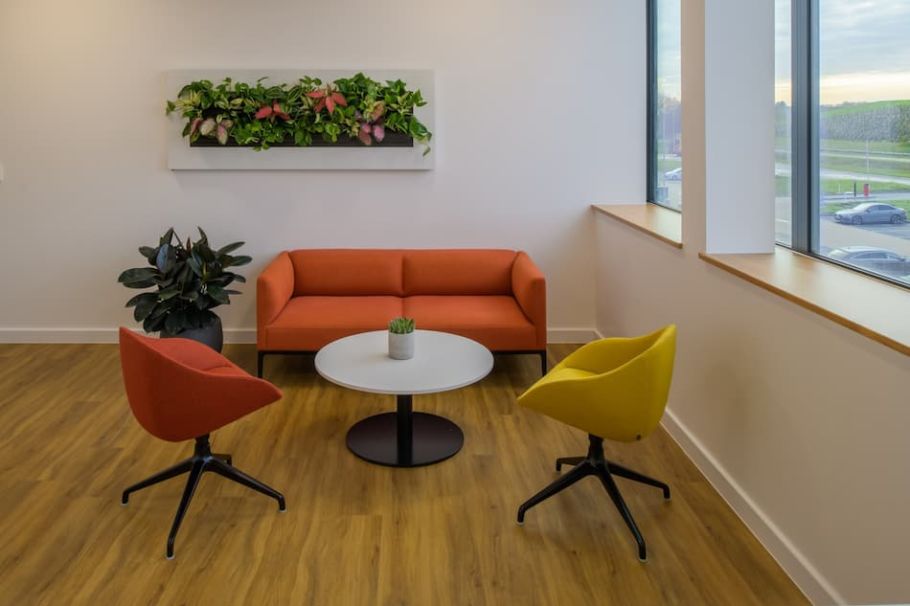
The positioning and configuration of seating can have as much influence on collaboration as the furniture itself.
Traditional meeting rooms generally follow a fixed arrangement, with chairs positioned around a central table. While this works well for formal discussions, collaborative workplaces often benefit from a greater variety of settings.
Bespoke seating can be designed around the available floor space, creating arrangements that encourage conversation and make it easier for employees to work together.
For example, opposing banquettes can establish a defined meeting area without requiring a fully enclosed room. Curved seating can create informal discussion zones, while integrated benches can make use of alcoves and perimeter spaces.
These arrangements should be considered as part of the wider office space planning process, ensuring that collaborative areas are positioned appropriately and do not interfere with circulation or quieter working environments.
COEL’s ideaSpace project in Cambridge demonstrates how informal collaboration zones, focus booths and meeting spaces can be brought together within a cohesive workplace design.
Technology should also be taken into account, particularly where seating areas require access to power, presentation screens or video conferencing facilities.
Modern workplaces need to accommodate a range of activities, from individual concentration and formal meetings to informal discussions and collaborative projects.
Bespoke seating can support this variety by providing furniture configurations suited to different working environments.
Fixed upholstered seating may be appropriate for reception areas, informal meeting booths and social spaces, while modular arrangements can provide greater flexibility in areas where furniture needs to be moved or reconfigured.
Combining bespoke elements with adaptable commercial furniture can offer businesses the best of both approaches.
The important consideration is understanding how each area will be used before selecting the furniture.
A space intended for short conversations may require a different seating arrangement from one used for extended project meetings or individual laptop work.
Providing a variety of settings allows employees to choose environments that support their activities throughout the working day.
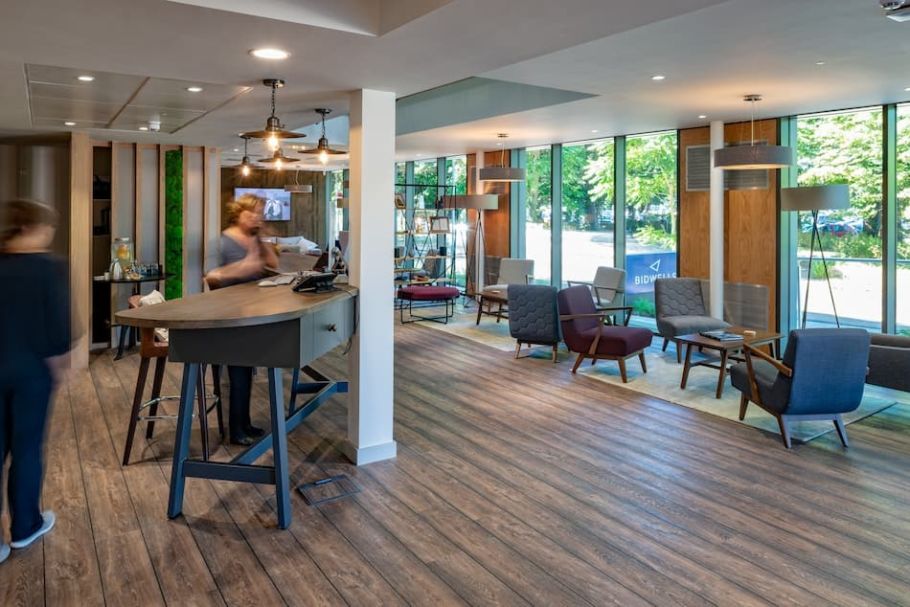
Leading property consultancy Bidwells worked with COEL to create a flexible and contemporary workplace at its Cambridge headquarters.
The design focused on providing employees with greater choice over how and where they work, incorporating open-plan areas, informal touchdown points and a variety of meeting and collaborative environments.
A combination of conventional office furniture and distinctive soft seating helps create different settings throughout the workplace.
The inviting café area provides a comfortable environment for informal interaction, while flexible meeting facilities, including a boardroom with folding walls, allow the office to accommodate different activities and group sizes.
By integrating furniture selection with the wider workplace design, COEL created an environment that supports both individual work and collaboration.
The project highlights the value of selecting seating according to the purpose of each space, rather than applying the same furniture arrangement throughout the office.
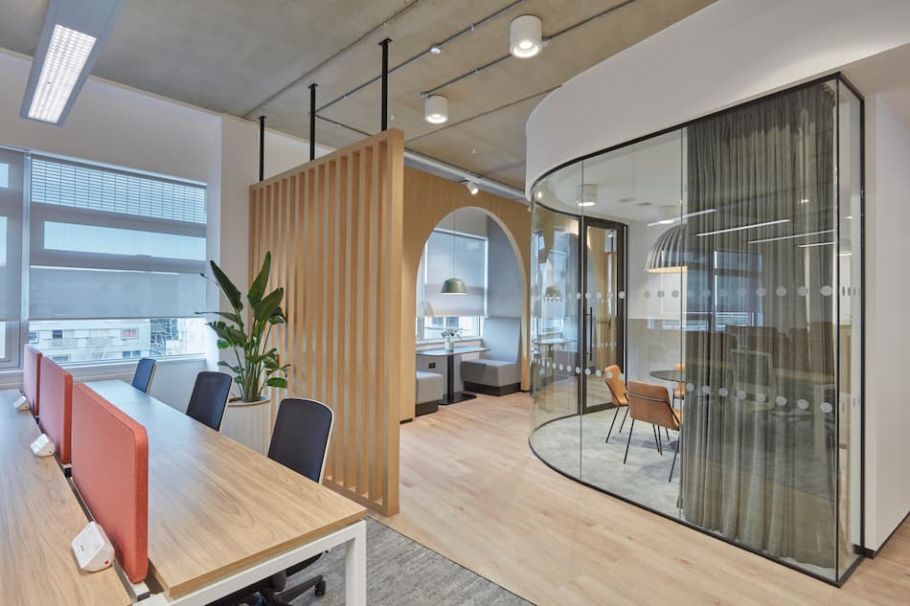
Creative collaboration often benefits from environments that encourage conversation, movement and the exchange of ideas.
While furniture alone cannot generate creativity, the right seating arrangements can make it easier for employees to come together and work through challenges.
This approach was central to our furniture design and installation for AMFRESH, where informal collaboration areas and meeting pods helped address the different working requirements of its employees.
Informal meeting areas with comfortable seating can provide an alternative to conventional boardrooms, particularly for early-stage discussions, brainstorming and collaborative planning.
Modular furniture can also allow teams to adapt their surroundings according to the number of participants and the activity taking place.
However, flexibility needs to be balanced with practical considerations such as acoustics, access to technology and the availability of appropriate working surfaces.
A well-planned collaborative space should make interaction straightforward while remaining comfortable and functional for everyone using it.
The quality and suitability of workplace furniture can influence how employees perceive their working environment.
Comfortable seating, welcoming communal areas and access to different working settings demonstrate that the workplace has been designed with employees’ needs in mind.
Bespoke furniture can contribute to this experience by creating spaces that feel more considered and appropriate to the organisation.
For example, a carefully designed breakout area can provide somewhere for employees to relax during breaks, while informal meeting booths can offer an alternative to booking a formal meeting room for every conversation.
These facilities can help make the office a more attractive and enjoyable place to work.
The greatest benefits come when furniture selection forms part of a broader workplace strategy that also considers employee wellbeing, accessibility, working practices and organisational culture.
Introducing bespoke seating requires careful planning to ensure the finished furniture meets the practical requirements of the workplace and complements the overall interior design.
From understanding employee needs to selecting materials and considering future changes, several factors should influence the design and procurement process.
The starting point for any bespoke furniture project should be a clear understanding of how the space will be used.
Consider the number of employees likely to use the seating, the activities it needs to accommodate and any requirements relating to privacy, acoustics or technology.
Working with experienced designers and furniture specialists can help translate these requirements into suitable configurations, dimensions and material specifications.
Early collaboration also allows bespoke seating to be integrated with other design elements, including lighting, flooring, power supplies and architectural features.
COEL’s interior design and furniture teams work together to develop solutions that reflect the wider workplace scheme, helping ensure the finished furniture is both visually cohesive and practical.
Material selection is particularly important for bespoke seating because different areas of the workplace experience different levels and types of use.
Working with experienced commercial furniture specialists can help businesses select suitable upholstery, construction methods and finishes that balance appearance with long-term durability.
Reception seating, collaborative booths and breakout furniture may require different upholstery, cushioning and construction methods.
Commercial-grade fabrics should be selected according to durability, cleaning requirements and suitability for the intended environment.
Foam density, seat support and backrest construction also influence long-term comfort and performance.
Where appropriate, businesses can consider fabrics containing recycled materials, responsibly sourced timber and furniture components designed for repair or replacement.
Fire safety requirements and relevant commercial furniture standards should also be considered during specification.
The objective is to select materials that complement the design while providing the durability and practicality required for everyday use.
Workplace requirements can change as businesses grow, adopt new technologies or adjust their working arrangements.
Bespoke seating should therefore be designed with an understanding of how the office may evolve.
Modular furniture can provide opportunities to alter configurations, while standardised components and replaceable upholstery may make future repairs or updates more straightforward.
Fixed seating can also offer long-term value when positioned in areas that are unlikely to require frequent reconfiguration.
It is important to balance the benefits of customisation with the potential limitations of furniture designed for a specific location.
Where flexibility is a priority, combining bespoke installations with movable furniture may provide a more adaptable solution.
Bespoke office seating offers businesses an opportunity to create collaborative environments that are tailored to their workplace, employees and brand identity.
From comfortable meeting booths and integrated banquettes to flexible modular arrangements, custom furniture can help make better use of available space while supporting different working activities.
However, successful bespoke seating is about more than creating distinctive furniture. The design must account for comfort, accessibility, durability, maintenance and the practical requirements of the people using it.
By incorporating furniture planning into the wider workplace design process, businesses can create cohesive environments that balance individual work, collaboration and employee wellbeing.
At COEL, we believe that inspiring workplaces are created by understanding how people work and designing environments that support their needs.
With over 30 years of experience in commercial office design and fit-out, our integrated teams help businesses select, design, source and install furniture that complements their workplace and supports their operational requirements.
Whether you are planning a complete office refurbishment, introducing new collaborative areas or looking for bespoke seating to make better use of an existing space, our furniture specialists can help develop a solution that reflects your business and budget.
From initial design concepts and material selection through to procurement and installation, we bring together the expertise needed to create comfortable, functional and distinctive working environments.
Get in touch with COEL to discuss bespoke office seating and furniture solutions for your workplace.
Prefer an AI Summary?