The workplace continued to evolve throughout 2024, with businesses placing renewed emphasis on bringing employees together, encouraging collaboration and creating office environments that offer something different from working at home.
However, attracting employees back into the workplace requires more than simply providing desks and meeting rooms. Businesses are increasingly recognising the importance of comfort, flexibility, wellbeing and creating spaces that support different working styles.
This has encouraged a more considered approach to commercial office interior design, with workplaces becoming more adaptable, welcoming and responsive to the needs of the people using them.
From natural materials and warmer colour palettes to greater privacy and inclusive design, we expect 2025 to build on many of the trends that emerged during 2024.
Here are COEL’s five office interior design predictions for the year ahead.
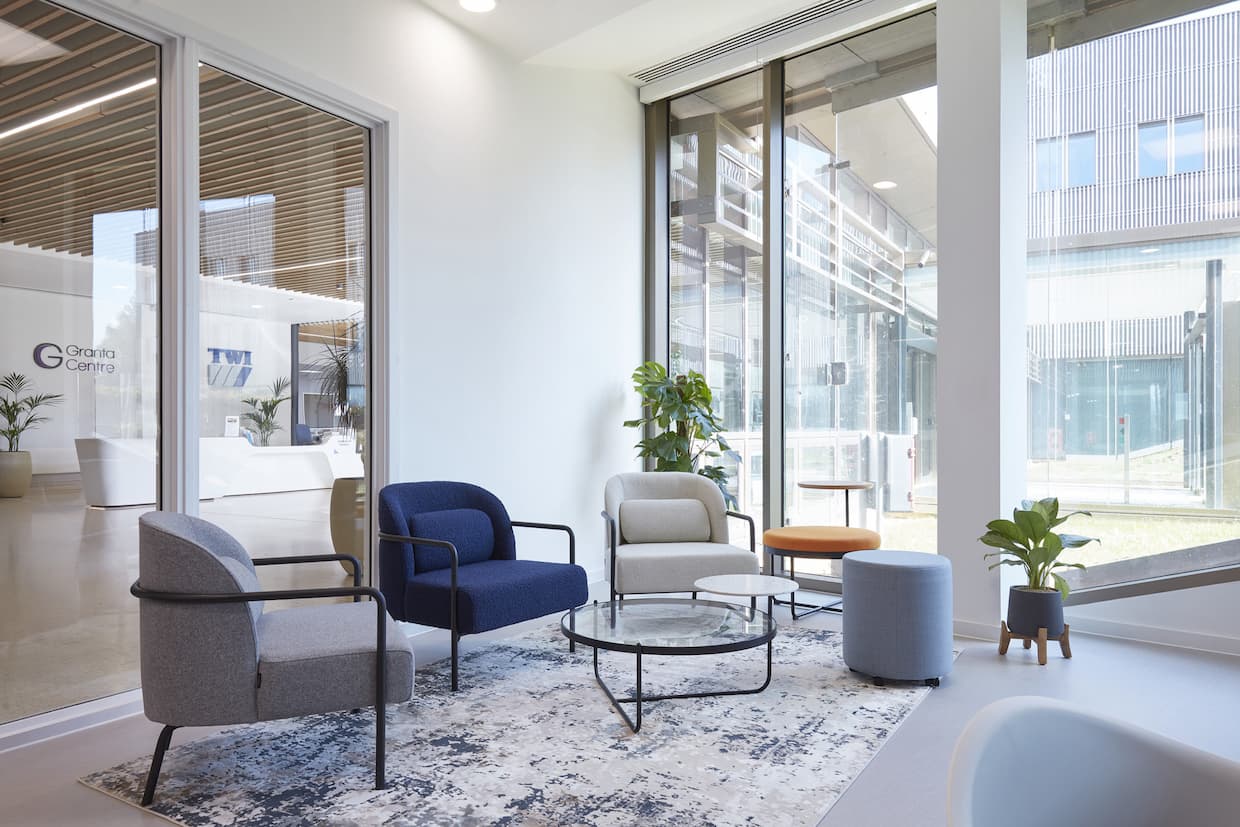
Bringing the outside into the workplace has been a growing influence in office design for several years, and we expect this trend to continue throughout 2025.
However, the emphasis is shifting from simply introducing plants and greenery towards creating interiors that feel more naturally connected to their surroundings.
Organic shapes, curved furniture and softer architectural details are increasingly being used to create welcoming environments that contrast with the rigid lines traditionally associated with commercial offices.
Natural materials will also play a greater role in workplace interiors. Timber, stone, textured fabrics and other tactile finishes can introduce warmth and visual interest while helping to create a calmer atmosphere.
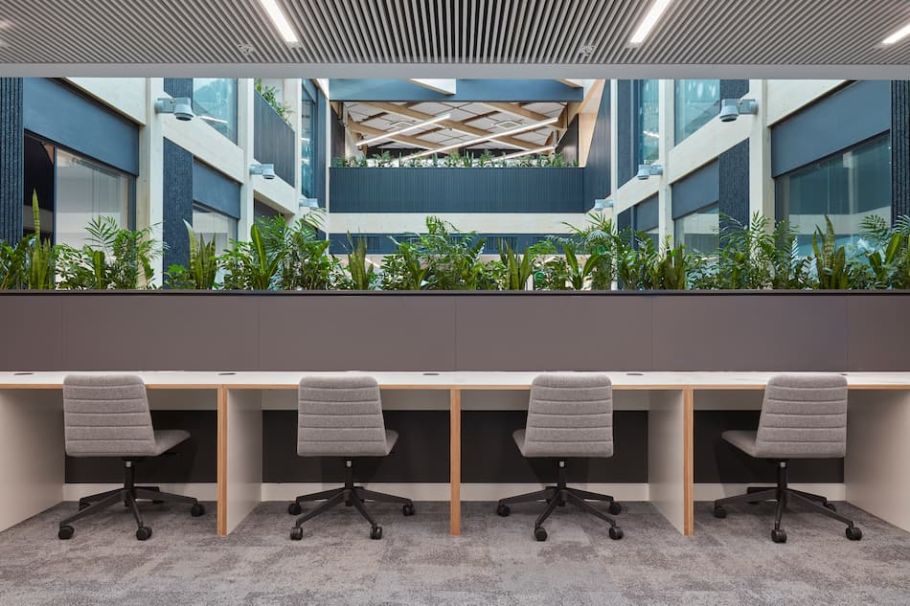
These elements work particularly well alongside biophilic office design, where natural light, planting and connections to the outdoors are incorporated into the wider workplace scheme.
We also anticipate a greater emphasis on using these materials in collaborative areas, breakout spaces and reception environments, creating spaces that feel less formal without compromising their functionality.
The challenge for designers will be to balance the softer aesthetic with the durability and practical requirements of busy commercial environments.
Neutral colour palettes have remained popular in office interiors, providing a versatile backdrop for furniture, architectural features and brand identity.
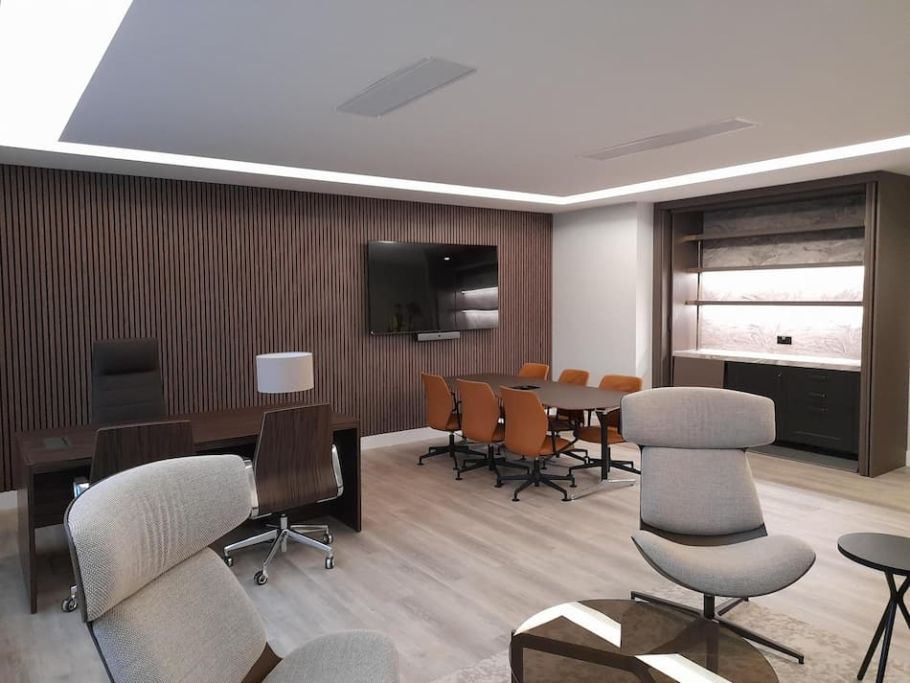
For 2025, however, we expect to see a noticeable shift towards warmer, richer and more comforting tones.
Pantone’s Colour of the Year for 2024, Peach Fuzz, reflected a growing preference for softer and more approachable colour schemes. This year, Pantone has selected Mocha Mousse, a rich brown shade that introduces warmth and sophistication.
We anticipate this influencing workplace interiors through earthy colours, natural textures and darker timber finishes.
Walnut and other deeper wood tones may become increasingly popular alternatives to the lighter oak finishes that have featured prominently in commercial interiors.
Warm browns, muted greens, terracotta and soft neutral shades can also be combined to create environments that feel more relaxed and welcoming.
However, the move towards warmer colours does not mean abandoning corporate identity. Carefully selected accent colours, furniture upholstery and architectural features can incorporate brand colours while maintaining a cohesive overall scheme.
The most successful workplaces will use colour to create atmosphere, define different working areas and support the activities taking place within them.
The relationship between home and office working continues to influence workplace design.
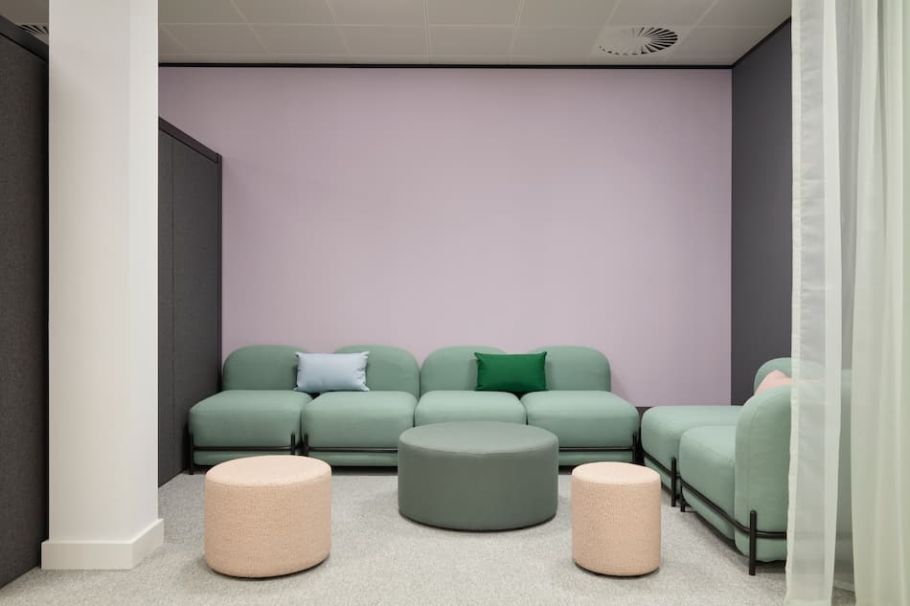
During 2024, we saw businesses place greater importance on creating comfortable and welcoming office environments. We expect this approach to develop further in 2025, with more emphasis on sensory comfort, privacy and flexibility.
Employees who have become accustomed to working from home often value the ability to control their surroundings, particularly when undertaking tasks that require concentration.
Traditional open-plan offices do not always provide the same level of privacy or freedom from distraction.
As a result, businesses are increasingly incorporating a wider variety of working environments into their office layouts.
Quiet rooms, individual workspaces, acoustic booths and smaller meeting areas can provide employees with greater choice over where and how they work.
At the same time, softer furnishings, comfortable seating, warm lighting and residential-inspired finishes can make collaborative and social spaces feel more inviting.
Sensory design will also become increasingly important. Acoustics, lighting, temperature and material textures all contribute to how employees experience their workplace.
Rather than attempting to recreate a domestic interior, the objective is to combine the comfort and flexibility of home working with the facilities, technology and opportunities for collaboration that a commercial office can provide.
We expect this to become an increasingly important consideration in office space planning, particularly for organisations adapting their workplaces to support hybrid working arrangements.
Employee wellbeing has become a central consideration in workplace design, and we anticipate businesses taking an even broader approach during 2025.
While natural light, planting and biophilic features remain important, wellbeing-focused design now encompasses a much wider range of physical, environmental and practical considerations.
Businesses are recognising that a positive workplace experience depends on more than the appearance of the office.
Acoustic comfort, air quality, temperature control, ergonomic furniture and access to appropriate working environments can all influence how employees feel throughout the working day.
We also expect greater consideration of facilities that support employees beyond their immediate workstations.
Comfortable breakout areas, quiet rooms, spaces for informal interaction and facilities that encourage movement can contribute to a more supportive working environment.
The location of the office also plays an important role. Access to public transport, cycling facilities, nearby amenities and outdoor spaces can influence the overall employee experience.
For businesses considering an office fit-out or refurbishment, these factors should be considered during the earliest planning stages rather than introduced as additional features towards the end of the design process.
We expect wellness-centric design to become more integrated into workplace strategy, with businesses considering how the office supports employees throughout their working day.
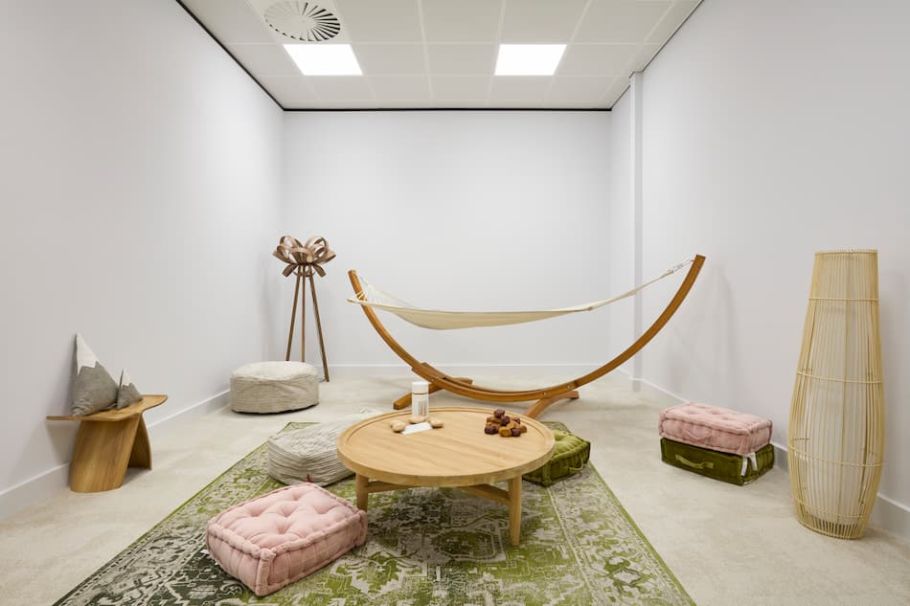
Creating workplaces that accommodate different physical, sensory and cognitive needs will continue to be an important priority in 2025.
As businesses develop a greater understanding of the diverse requirements of their employees, office design must move away from the assumption that everyone works most effectively in the same environment.
For example, some employees may find busy open-plan offices distracting or overwhelming, while others benefit from regular interaction and collaborative working.
Neurodivergent employees may have particular preferences relating to lighting, acoustics, visual stimulation and the availability of quieter spaces.
Inclusive workplace design should therefore provide a variety of environments that support different activities and individual preferences.
Important considerations include:
Importantly, inclusive design should not rely on assumptions about individual employees. Consultation and engagement with the people using the workplace can help identify practical requirements and inform appropriate design decisions.
By introducing greater choice and flexibility, businesses can create environments that support a broader range of working preferences without compromising the overall design.
Looking ahead, we expect 2025 to be another year of significant development in workplace design, with greater emphasis on flexibility, employee experience and environmental responsibility.
Natural materials, warmer colours and comfortable furnishings will continue to influence the appearance of commercial interiors, while the practical requirements of hybrid working will shape how space is allocated and used.
Technology will also remain an important consideration. From integrated meeting room systems to emerging applications of artificial intelligence, businesses will need workplaces that can accommodate new ways of working without requiring constant physical alterations.
However, the most important development will be the continued shift towards more tailored, human-centric environments.
Rather than following design trends in isolation, businesses will increasingly need to understand how their employees work, the activities they undertake and the facilities required to support them.
At COEL, we believe that successful workplace design brings together creativity, functionality and a clear understanding of the people who use the space.
Katie Oldknow, Head of Design at COEL, shares her thoughts on the direction of workplace interiors in 2025:
“In 2025 we will continue to incorporate flexibility and enhanced functionality throughout the office landscape.
We will see a strong palette shift towards warmer tones and softer neutrals as a direct influence from the typical home working environment.
Further recognition of a broad range of needs throughout the working day and building on innovative and sensitive ways of incorporating them into commercial design.
Lastly, companies will continue to embrace and expand on their environmental responsibility.
Another exciting year ahead!”
The office design trends shaping 2025 reflect a growing understanding that successful workplaces must balance employee wellbeing, operational requirements and long-term adaptability.
At COEL, our interior design and fit-out teams work closely with businesses to create inspiring environments that reflect their identity, support their employees and respond to changing working practices.
From initial workplace consultation and space planning to interior design, furniture selection and fit-out delivery, we provide an integrated approach to creating commercial workplaces across Cambridge, Oxford, London and the East of England.
Whether you are considering an office refurbishment, planning a relocation or looking to improve your existing workplace, our team can help you develop a design that meets your business objectives.
Get in touch with COEL to discuss your workplace plans and create an inspiring space for the future.